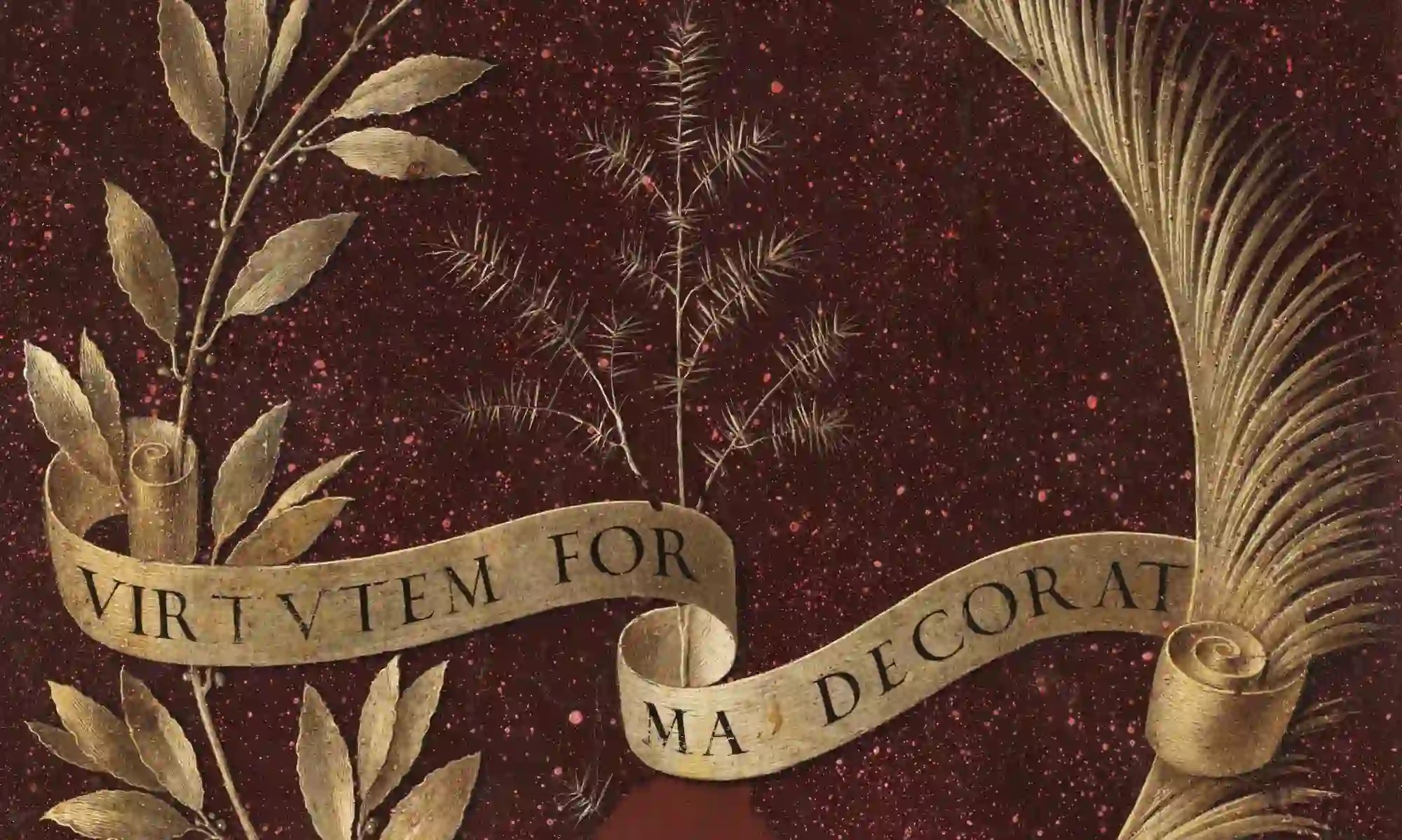

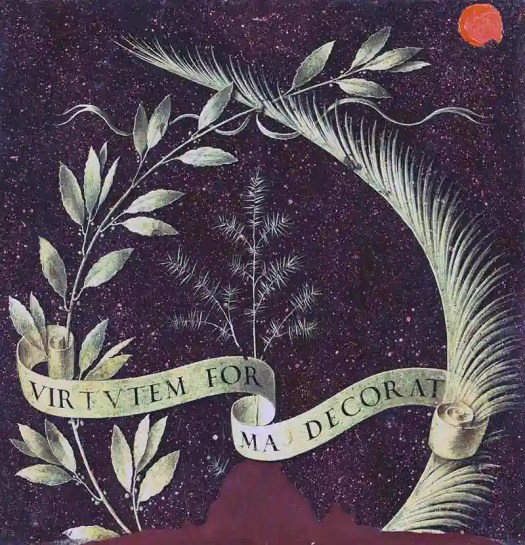
Leonardo da Vinci Galleries – Virtual Museum of Art: Leonardo’s Youthful Self-Portrait 1475, Florentine Renaissance Masterpiece.
- Self-Portrait of Leonardo da Vinci (1475): A timeless masterpiece symbolizing purity, grace, and the profound beauty of Renaissance art.
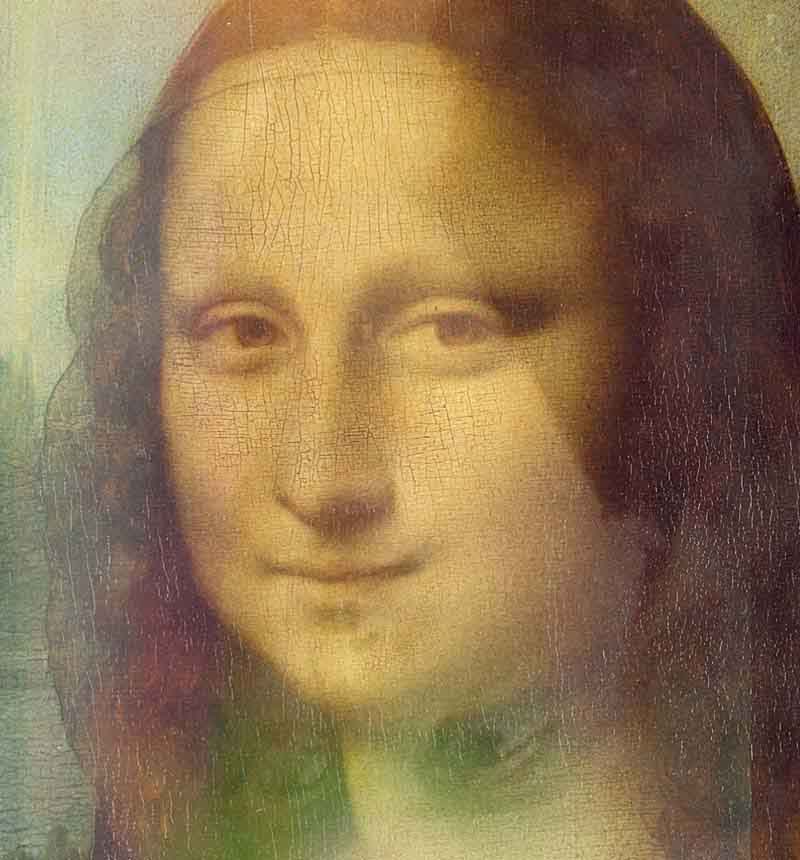
- Mona Lisa (Lisa Gherardini – Real Face): The iconic portrait, renowned for its enigmatic smile, perfectly reflects Leonardo’s deeply introspective and innovative style.
Leonardo’s vibrant colors vividly express freedom and rebirth, masterfully capturing the very essence of the Renaissance — a unique bridge between humanism and groundbreaking artistic innovation.
Leonardo Self-Portrait by Leonardo da Vinci Galleries Virtual Museum
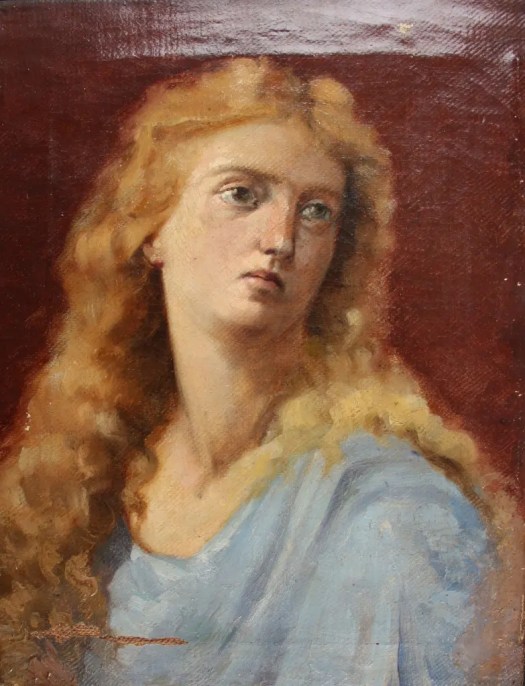
The Leonardo da Vinci Galleries presents the first self-portrait by Leonardo da Vinci from 1475, highlighting the youthful features of his face in Florence… a divine spark.
Created at the age of just 23, Leonardo’s self-portrait is a work of great intellect.
It reflects expressive research, the movements of the soul, and the geometric laws of the Renaissance, showing Leonardo with flowing hair and an introspective gaze.
Galleries Leonardo da Vinci Virtual Museum: original artworks, with the true self-portrait of Leonardo da Vinci, mirror of the soul.
In this 1475 Renaissance portrait, Leonardo reveals a virtuous soul, blending body and intellect in scientific harmony.
Leonardo – Period in Florence and Milan – The Renaissance
In Florence, Leonardo da Vinci creates his self-portrait, a work reflecting the Valdarno landscape.
A hidden arch bridge detail foreshadows the landscape behind the Mona Lisa and showcases the sfumato technique used to create atmospheric depth.
In a Florence dominated by Aristotelian thought, Leonardo becomes a symbol of the Renaissance: challenging dogma through scientific method and direct observation.
In Milan, the self-portrait serves as a preparatory sketch for the Last Supper commission at Santa Maria delle Grazie.
The delicate face and head tilt recall the apostle depicted in the fresco.
In the Last Supper, we see the sequential motion of the apostles’ hands – movements of the soul, chiaroscuro, drapery, and a feminine aspect with “virginal beauty and flowing hair”, and the vanishing point, where all lines converge on Christ.
The iconography and posture of the self-portrait are echoed in the figure of the apostle John, marking the transition from Florence to Milan and Leonardo’s scientific soul.
Annunciation 598 – Louvre Museum

In 1472, the young Leonardo created a work that broke with traditional iconography, representing the sacred dialogue between Mary and the Angel in an innovative way.
The Archangel Gabriel is shown inprofile: a Leonardesque model resembling the self-portrait.
Gioconda Smile
Art, psyche, and genius: Leonardo was fascinated by Mona Lisa’s smile because it stirred something long dormant in his mind – a memory so powerful he could not let it go.
Once awakened, he had to give it a fleeting, enigmatic expression: the Mona Lisa… (Freud, psychoanalysis).
Leonardo’s Technique
Leonardo da Vinci, a polymath artist, architect, and scientist, trained in Verrocchio’s workshop, where he developed an analytical approach that would deeply influence his painting.
Introspective expression:
The deep and reflective gaze is a constant in his portraits, as seen in the angel from The Baptism of Christ.
Mastery of Florentine drawing and the transformation of sculptural models into painting.
His early masterpieces, like the youthful self-portrait, reveal the vision of a genius capable of uniting man and universe through scientific truth.
A true icon of the Renaissance, and in many ways, the visual starting point of all Leonardo’s thinking.
For Leonardo, painting was a science: an absolute vision of man and nature.
The sfumato technique is already present, giving the portrait softness and three-dimensionality that foreshadow his mature works.
By blurring contours, he brought figures to life, while aerial perspective gave depth and naturalness.
Through these techniques—focused on optics and color—Leonardo expressed the concept of man as a microcosm, transforming nature into art.
Art and Science – Leonardo
“Painting is a science and must be treated as such.” Thus, Leonardo reinvented the world through art and science.
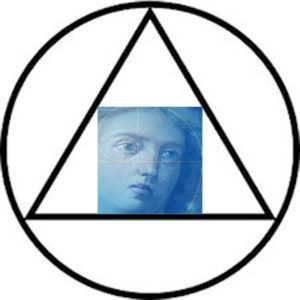
He studied light, divine proportions, and the golden ratio—a mathematical principle applied in idealizing faces and figures to achieve harmony and perfection
Mirror of the Soul – Leonardo da Vinci:
His face inscribed in a square, with the eye aligned to the golden ratio, emblem of perfect beauty.
The square, where man is the measure of all things, is contained within an equilateral triangle, representing art, science, and nature.
All is enclosed in a circle, evoking the Earth and the universality of Leonardo’s genius.
A forerunner of modern science, Leonardo created timeless masterpieces.
Copyright © 2010 – 2025 · galleriedavinci.org · all rights reserved.

 Gallerie Leonardo da Vinci